Managing assets effectively is crucial for businesses aiming to maximise value, reduce costs, and maintain compliance. From IT equipment to production machinery, understanding and optimising every phase of an asset’s lifecycle is essential for long-term success. This blog outlines the core principles of asset lifecycle management, including best practices and tools to streamline the process, ensuring businesses operate efficiently.
What Is Asset Lifecycle Management?
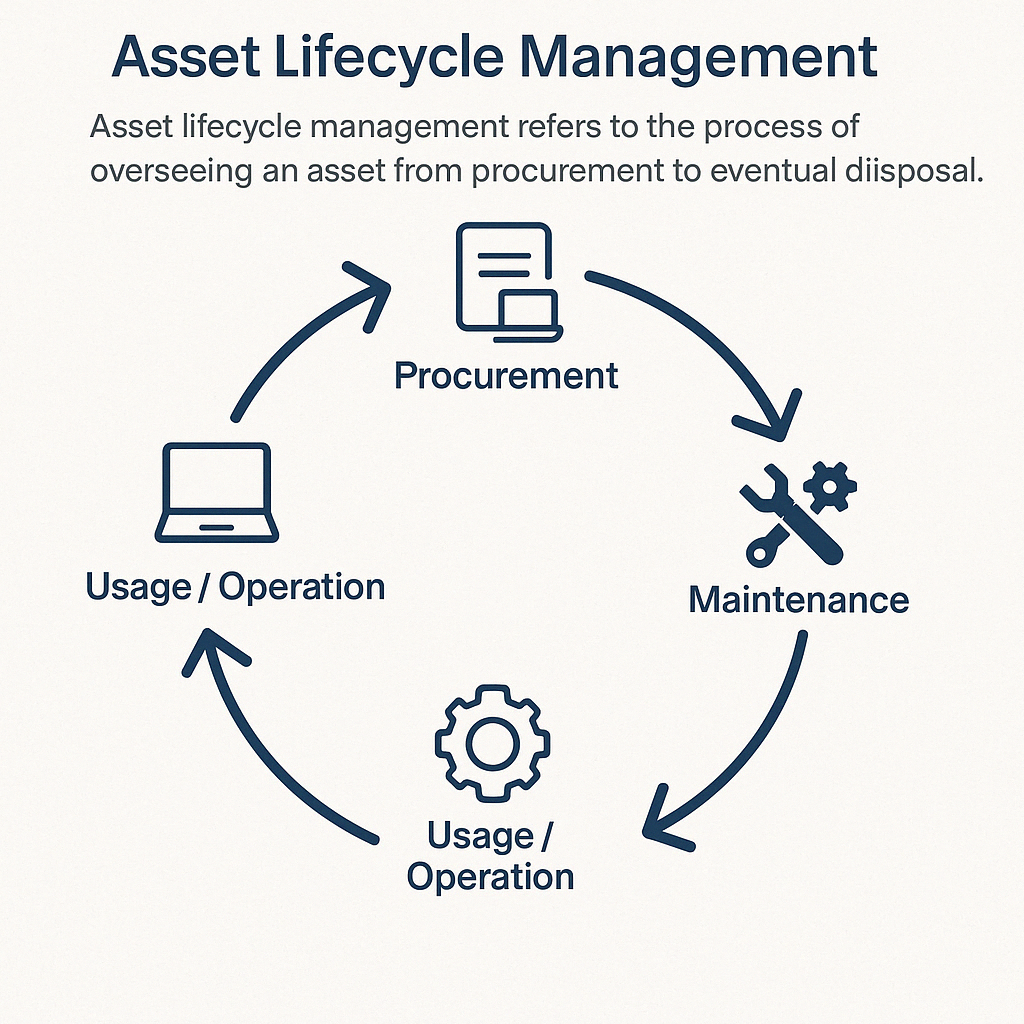
Asset lifecycle management refers to the process of overseeing an asset from procurement to eventual disposal. It involves categorising, tracking, and maintaining assets to maximise their value and functionality throughout their usable life. The lifecycle typically includes five stages:
- Procurement
- Deployment
- Usage/Operation
- Maintenance
- Disposal/Retirement
Each stage has a specific role in defining how efficiently a business is utilising its resources. By focusing on these stages, organisations can create significant cost savings and optimise operational performance.
Why Tracking Assets Matters
Properly tracking assets throughout their lifecycle ensures businesses have a clear view of their inventory and operational capacity. Without this visibility, organisations risk over-purchasing, misplacing assets, or failing to get the most out of their investments. For IT professionals and asset managers, tracking is particularly critical for the following reasons:
- Cost Management: Untracked assets can result in unnecessary expenditures, such as duplicate purchases or delayed repairs that lead to more costly solutions.
- Regulatory Compliance: Many industries are required to document asset compliance standards, especially regarding IT and data security.
- Maximum Utilisation: Understanding capacity and availability enables asset managers to get more value from resources, both tangible and intangible.
Best Practices for Optimising Asset Lifecycles
To achieve efficiency, organisations must adopt a strategic approach to asset management. Here are some proven methods for enhancing performance throughout an asset’s life cycle:
Focus on Preventive Maintenance
Asset maintenance is often reactive, with repairs carried out only after major issues arise. This approach is inefficient and can lead to higher overall costs. Preventive maintenance, on the other hand, allows businesses to schedule checks and replacements before issues worsen, ultimately extending asset longevity. Leveraging technology such as IoT sensors can also help monitor the condition of equipment in real time to avoid unexpected failures.
Facilitate Strategic Disposal Planning
The disposal phase is often overlooked, but retiring assets strategically is essential to avoid compliance penalties. Businesses should evaluate electronics, industrial machinery, and other assets for recycling, resale, or disposal in ways that minimise costs and environmental impact. Following industry-defined standards is particularly relevant during data decommissioning for IT hardware.
Streamline Process with Asset Management Software
Manually managing the lifecycle of hundreds or thousands of assets can lead to errors and inefficiencies. Integrating robust asset management software simplifies the process by automating tasks, providing a clear overview of asset inventory, and offering advanced analytics to optimise utilisation. With tools specifically designed to track IT equipment, organisations can ensure software licenses, warranties, and security protocols remain active and up-to-date.
The Benefits of Strategic Asset Management
Comprehensive lifecycle management lets businesses do more than just mitigate risk. By integrating best practices and software solutions, organisations can reduce downtime, allocate resources more effectively, and attain long-term cost savings. Furthermore, by adhering to compliance standards throughout the lifecycle, businesses can avoid penalties and establish a reputation for operational excellence.
Building the Future of Asset Management
For asset managers, IT professionals, and business owners, the key to successful asset management lies in understanding each stage of the lifecycle and implementing technology to streamline operations. By focusing on predictive maintenance, seamless compliance, and centralised tracking solutions, organisations can unlock greater value while minimising operational complexity.